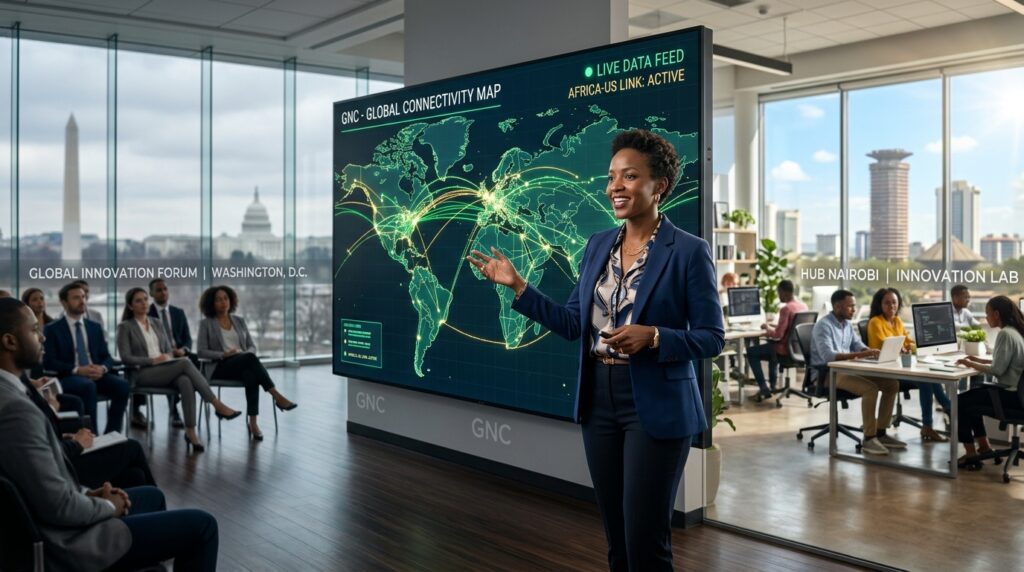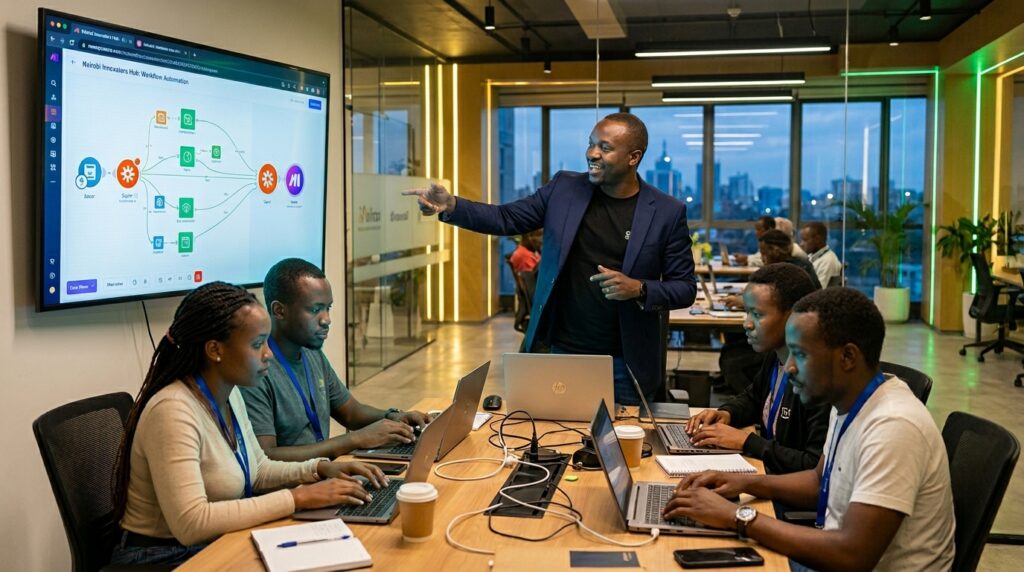
The rapid expansion of the African technology ecosystem over the past decade has established the continent as a premier global destination for digital transformation, structural innovation, and venture investment. Yet, as new engineering teams assemble, corporate pipelines expand, and advanced artificial intelligence strategies take shape, a persistent structural challenge remains: the representation of women at the highest levels of strategic and technical decision-making.
For the intelligent economy to reach its true potential, it cannot rely on a fraction of its available intellectual capital. The complexity of building scalable, inclusive technological solutions for a diverse continent demands a diverse leadership suite.
Navigating the transition from middle-management execution to high-impact executive leadership requires more than generic corporate inclusion initiatives. It demands intentional career frameworks, robust community support systems, and a profound rewrite of the traditional tech leadership narrative.
1. The Critical Imperative for Diverse AI and Tech Development
As artificial intelligence models are deployed to manage core economic functions, ranging from automated financial credit scoring in fintech apps to predictive health diagnostics and resource allocation frameworks, the stakes of development bias skyrocket. If the teams designing, engineering, and auditing these algorithms lack diverse lived experiences, the resulting technological models risk scaling systemic biases that exclude vulnerable populations.
Female executive leadership brings a critical, multi-dimensional perspective to tech governance. Women leading as founders, CEOs, judges, and moderators bring unique insights into user design, ethical technology execution, and long-term ecosystem sustainability.
Inclusive design is not a corporate box-checking exercise; it is a fundamental requirement for building software and systems that work seamlessly for the entire African market.
       [ Executive Mentorship ] ──────► [ Tech Upskilling ]
                  ▲                             │
                  │                             ▼
       [ Industry Space Retention ] ◄──── [ Strategic Leadership ]
2. Navigating the Structural Corporate Pipeline
To scale female executive representation across advanced tech fields like artificial intelligence strategy, data science, and infrastructure management, corporate HR teams, technology hubs, and industry ecosystems must address the critical leakages in the professional pipeline:
Eliminating the Practical Implementation Barrier
Many women enter the technology field through non-traditional paths or general business roles, only to encounter a cultural barrier when attempting to pivot into high-yield technical strategy. True corporate empowerment requires structured programs centered on technical enablement, providing hands-on training in managing API environments, data tools, and automation frameworks without requiring a legacy computer science degree.
Visible Executive Mentorship and Strategic Sponsorship
It is a well-established truth in organizational psychology: you cannot build what you cannot see. Having pioneering female leaders step onto prominent national and international stages to moderate major panels, judge high-stakes pitch competitions, and lead enterprise negotiations sends a powerful signal throughout the entire corporate pipeline. It normalizes female authority in technical domains and provides junior professionals with clear blueprints for executive ascension.
Building Elite Peer and Leadership Communities
Navigating isolation at the top is one of the most common reasons high-performing female executives exit the tech space prematurely. Constructing intentional, high-achieving peer networks, executive circles, and collaborative tech communities provides a safe space for strategic advice, board-level placement matchmaking, and deep operational collaboration.
3. The Future is Co-Authored
The technological future of the African continent is being mapped out right now. The choices we make today regarding who guides our corporate strategies, who sets our technological ethics, and who anchors our global industry debates will echo for generations.
By intentionally investing in the development, visibility, and long-term retention of female tech executives, we don’t just create a more equitable workspace, we build a more sophisticated, resilient, and highly competitive intelligent economy that can confidently lead on the world stage.